The Rise of Elevated Casual Footwear
240 Views
The boundary between formal and casual shoes barely exists anymore. Sneakers used to live at the gym. Dress shoes owned the office. Not anymore. The shoes of today are quite versatile. They can be worn with both jeans and dress pants. This makes them appropriate for different occasions. This transformation took many years to occur. But now the landscape of shoe shopping has completely changed.
Why the Old Rules No Longer Apply
Work culture cracked first. Tech companies threw out dress codes. Other industries watched and copied. Before long, sneakers at work went from forbidden to standard. Yet people still wanted that polished, professional look. A gap opened up. Athletic shoes felt too sloppy for most situations. Traditional oxfords seemed stiff and dated in casual offices. The market needed something new. That’s how elevated casual footwear was born; shoes that land somewhere between running errands and running meetings.
There’s been an increase in walking lately. The sensation of comfort has changed. What is the point of enduring a day in painful shoes just because of a dress code?
What Makes Casual Footwear “Elevated”
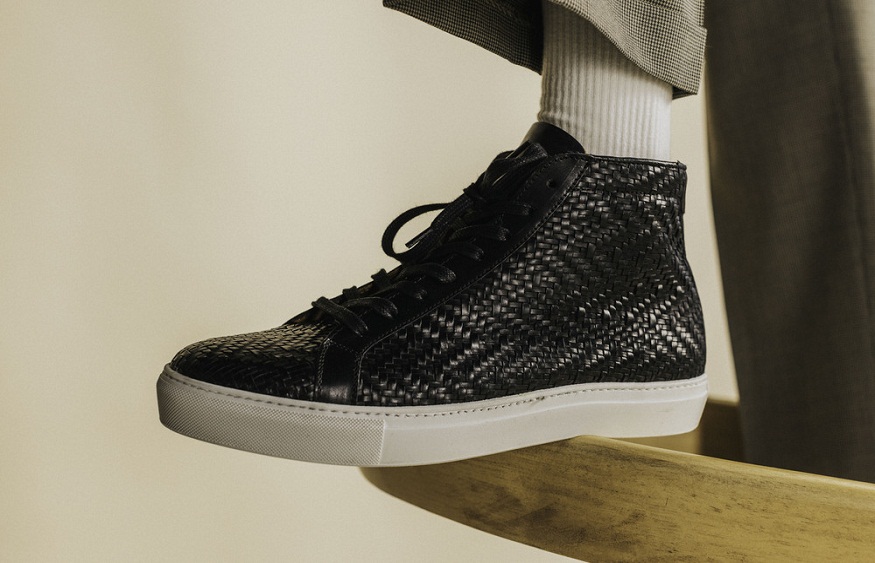
A few things set these shoes apart from basic sneakers. Start with materials. Real leather takes over from plastic mesh. Suede brings depth and character. Canvas gets woven tighter and finished cleaner. Old-school shoemaking tricks show up everywhere now. Soles get stitched, not glued. Edges receive hand finishing. The comfort of athletic shoes meets the lifespan of quality dress shoes.
And then there’s the appearance. Simple beats busy every time. Logos either disappear or become smaller. The color palette is inspired by traditional menswear, rather than the bright hues of running attire. You get shoes ready for conference rooms and coffee runs.
The Perfect Middle Ground
These shoes provide a solution to the problems that people face every day. One pair of shoes that can do it all makes business trips less complicated. It’s easier to enjoy the weekend when you don’t have to change shoes all the time. You’ll feel less stressed on date night if your shoes complement your clothes.
The flexibility goes deeper than mixing dressy with casual. These shoes handle any season, any event, any vibe. White leather works January through December. Brown suede carries you from September leaves to April rain. Black handles morning meetings and midnight hangouts. Companies like Taft shake things up in men’s fashion sneakers by mixing surprising materials with sharp shapes. They prove casual footwear can turn heads while staying practical.
The Cultural Shift
How people are choosing footwear now reflects the broader changes that have occurred in society. The shift to remote work removed the need for five pairs of dress shoes. City dwellers need shoes that can handle miles of sidewalk. Instagram made everyone a style critic. Young professionals lead the charge here. They do not see any clash between sharp style and all-day comfort. To them, elevated casual shoes aren’t settling; they’re the obvious choice.
Conclusion
Elevated casual footwear keeps picking up speed. Every season delivers a fresh take on the idea. Designers play with recycled materials. Engineers pack in comfort tech without the bulk. The category stretches to cover boots, slip-ons, and mashups that resist easy labels. This goes way beyond a passing fad. We’re watching footwear philosophy flip completely. Comfort stopped fighting style; now they work together. With the lines blurring between professional and leisure time, it is essential to have footwear that can be worn for any occasion. The elevated casual footwear boom signals a lasting change in how we dress, starting from the ground and working up.