Shoes That Don’t Ask You to Compromise
430 Views
Shoe shopping always meant picking what to give up. Style or comfort? Professional or practical? Quality or price? The whole industry ran on these trade-offs. Shoppers just shrugged and accepted it. Women got hit the worst. Offices demanded polished shoes. Polished meant painful, usually. So they’d wear sneakers on the subway, then switch to heels at their desk. Pack flats for lunch. Different shoes for drinks after work. Three pairs minimum, every single day. Insane, but nobody questioned it. That acceptance finally cracked. People questioned the need for it. Why do good-looking shoes hurt? Why do comfortable ones look orthopedic? The explanations stopped making sense.
What No-Compromise Really Means
Uncompromising footwear performs perfectly. They appear professional during presentations and are still comfortable after ten hours. They are priced for quality without being prohibitively expensive. You can wear these shoes all day, from your morning coffee to dinner dates.
Guess what? These shoes exist. The introduction of new materials brought about significant transformations. Memory foam technology has been adapted for use in slender forms. The soles bend without appearing bulky. These fabrics allow air circulation while maintaining their form. The tech existed before. Companies just kept it separate from style. They figured customers would keep suffering or looking frumpy. Big mistake. Shoppers demanded better. Companies scrambled to deliver.
The Styles Breaking All the Rules
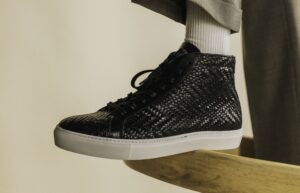
This revolt was driven by diverse shoe types, and every one of them showed that the old standards were nonsensical. Sneaker-dress shoe mashups hit first. Professional looking. Athletic feeling. Office workers walked miles pain-free. How? Cushioning that stayed hidden. Materials that weighed nothing but looked expensive.
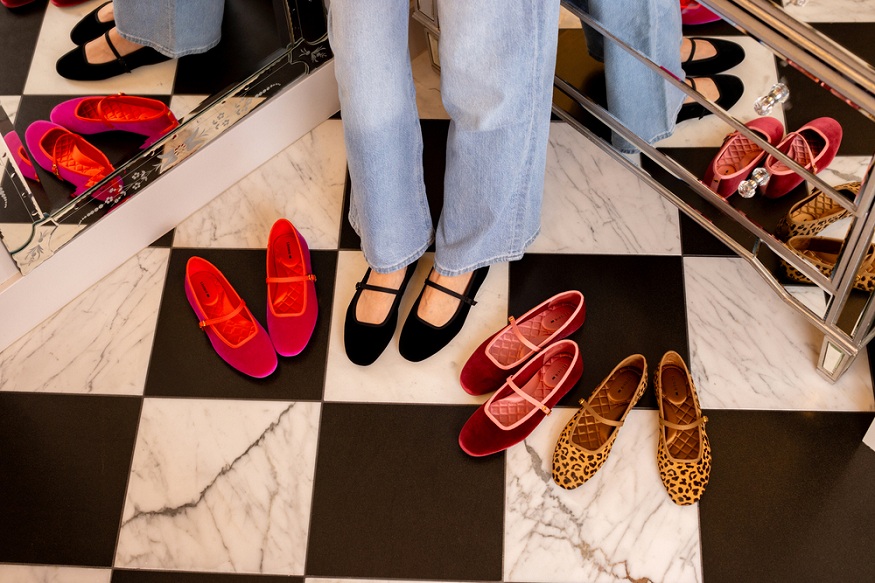
Boots joined next. Ankle boots with arch support that actually worked. Tall boots that didn’t strangle calves. Waterproofing that looked good. Winter stopped requiring survival mode. Companies like Birdies nailed Mary Jane flats with legitimate support built in, keeping that sweet vintage look intact. Classic style met modern comfort. No trade-off needed. Even sandals got fixed. Straps stopped cutting skin. Footbeds gained actual structure. Materials handled real life. Summer feet rejoiced.
The Ripple Effects of Better Shoes
Pain-free shoes change daily life completely. Work improves because you’re not distracted by throbbing feet. Plans don’t get ditched because you can’t walk another block. Morning runs happen because yesterday’s shoes didn’t destroy you. The mental shift hits hard, too. Natural walking beats hobbling every time. Standing tall without heel strain looks powerful. Bodies work better without constant foot stress. People sense the difference even if they can’t name it.
Money works differently now. One great pair outlasts three cheap pairs. Podiatrist bills disappear. Those emergency bandages for blisters? Trash them. Do the math on that. Better shoes mean fewer sick days. Foot pain throws off your whole body. Back problems. Knee issues. Hip strain. Fix the foundation, fix the building.
Conclusion
No-compromise shoes aren’t special anymore. They’re normal. Expected. Companies still pushing the old “suffering is beauty” line are bleeding customers. Americans have shifted how they buy everything. Quality beats quantity now. Multi-purpose destroys single use. Comfort ranks equally with looks. Finally. The shoe industry fought this shift hard. Old habits die slowly. But customer wallets spoke clearly. Adapt or die. Now every brand races to eliminate compromises. Competition drives innovation. Shoppers win.
Young buyers won’t tolerate the old system. They watched parents suffer and said absolutely not. They demand everything from their shoes. Style. Comfort. Ethics. Value. Fair enough. Feet won this war. The “pick your poison” era ended. Shoes that deliver everything aren’t unreasonable requests. They are the bare minimum. About time the industry figured that out.